
Butterscotch Pudding
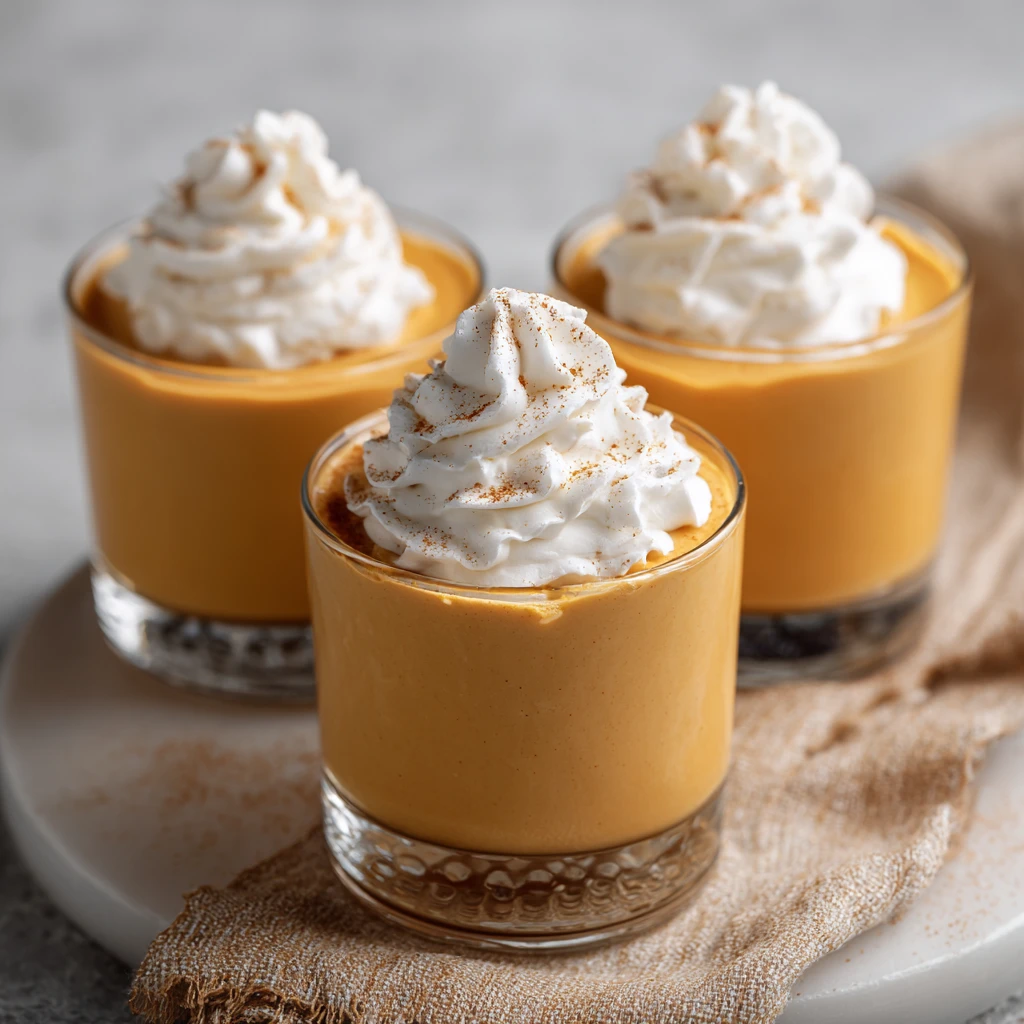
Butterscotch Pudding
This butterscotch pudding recipe delivers incredible flavors with simple ingredients. Reliable, delicious, and ready faster than you’d expect.
Why This Recipe Works
- Simple ingredients — nothing exotic
- Quick prep — minimal effort
- Tested and reliable — consistent results
- Versatile — weeknight dinners, meal prep, or entertaining
Tips for Best Results
- Prep all ingredients before cooking
- Season as you go and taste before serving
- Don’t overcrowd your pan
- Use a meat thermometer for proteins
Serving & Storage
- Serve immediately for best texture
- Store leftovers 3–4 days in the fridge
- Reheat in a skillet or low oven
Frequently Asked Questions
Can I make this ahead?
Yes — prep 1–2 days ahead, cook when ready.
Can I substitute ingredients?
Most proteins and vegetables are interchangeable. Adjust cooking times accordingly.
Is this freezer-friendly?
Cooked proteins and sauces freeze well up to 3 months.
How to adjust spice level?
Start with half, double for more heat.
Good for meal prep?
Yes — portion and refrigerate up to 4 days.
What sides pair well?
Rice, mashed potatoes, roasted vegetables, or crusty bread.
How many servings?
4–6 servings. Double for larger gatherings.
Can I make this healthier?
Use lean proteins, reduce oil, add extra vegetables.
You Might Also Like
- Irresistible Hefeschnecke Recipe with 12 Perfect Spirals
- Chocolate Churros
- Bakery-Style Cookies and Cream Cookies
Butterscotch Pudding
Indulge in the creamy and comforting flavors of butterscotch pudding, a timeless dessert that evokes nostalgia and warmth. This easy-to-make treat offers a perfect blend of sweetness and richness, guaranteed to satisfy your sweet cravings.
Ingredients
- 1 cup brown sugar
- 3 tablespoons cornstarch
- 1/4 teaspoon salt
- 2 1/2 cups milk
- 3 egg yolks
- 2 tablespoons butter
Directions
- In a saucepan, combine the brown sugar, cornstarch, and salt. Stir to mix the dry ingredients evenly.
- Gradually whisk in the milk until the mixture is smooth and free of lumps.
- In a separate bowl, lightly beat the egg yolks. Temper the eggs by adding a small amount of the hot milk mixture while whisking continuously.
- Pour the egg mixture back into the saucepan with the remaining milk mixture. Cook over medium heat, stirring constantly, until the pudding thickens and coats the back of a spoon.
- Remove the saucepan from the heat and stir in the butter until melted and fully incorporated.
- Divide the pudding into individual serving dishes and cover with plastic wrap to prevent a skin from forming. Chill in the refrigerator for at least two hours until set.
- Serve the butterscotch pudding chilled, garnished with a dollop of whipped cream or a sprinkle of sea salt for an extra touch of flavor.