

Roman Pasta
Introduction
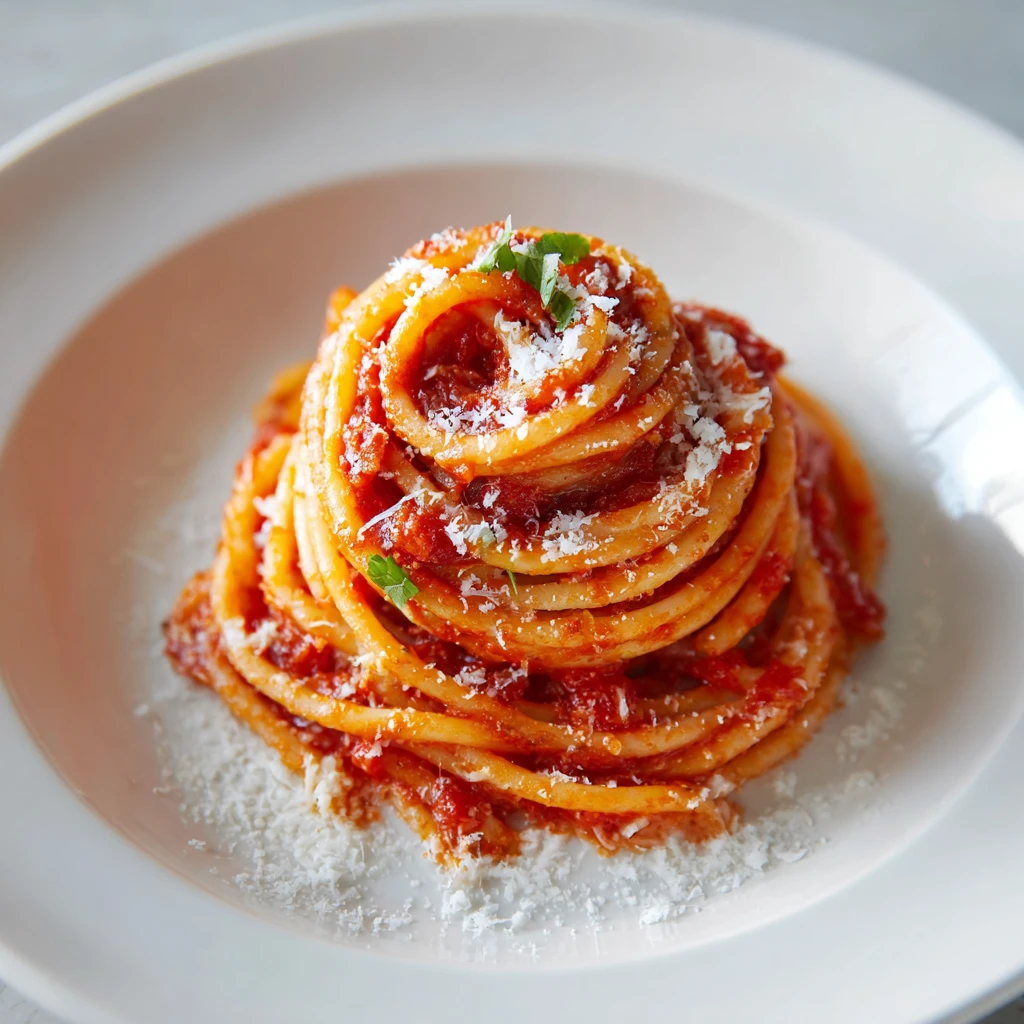
Picture yourself strolling through the ancient streets of Rome, surrounded by the tantalizing aroma of simmering sauces and freshly baked bread. One dish that reigns supreme in the heart of Italian cuisine is Roman Pasta, a culinary masterpiece that captures the essence of traditional Roman flavors.
As you delve into the world of Roman Pasta, you’ll discover a rich tapestry of history and culture woven into each delectable bite. From the humble origins of pasta in ancient Rome to the modern-day fusion of flavors, this iconic dish embodies the spirit of Italian gastronomy.
Join me on a gastronomic journey as we uncover the secrets of Roman Pasta, exploring its unique ingredients, preparation techniques, and the art of savoring each mouthful like a true Roman.
Prepare to tantalize your taste buds and elevate your culinary skills as we unravel the magic of Roman Pasta together.
Why You’ll Love Roman Pasta
What sets Roman Pasta apart is its simplicity combined with bold flavors that dance harmoniously on your palate. This recipe is a perfect balance of comfort and sophistication, making it ideal for both cozy family dinners and elegant gatherings.
One of the standout features of Roman Pasta is its versatility. Whether you prefer a classic Cacio e Pepe or a hearty Carbonara, Roman Pasta offers a myriad of options to suit every taste preference.
Furthermore, Roman Pasta is a celebration of fresh, wholesome ingredients that not only satisfy your cravings but also nourish your body. This dish is a testament to the Mediterranean diet, known for its health benefits and vibrant flavors.
Get ready to fall in love with Roman Pasta for its irresistible taste, ease of preparation, and the joy it brings to every dining experience.
Ingredients
To recreate the magic of Roman Pasta in your own kitchen, you will need the following essential ingredients:
– High-quality pasta (such as spaghetti or rigatoni)
– Pecorino Romano cheese
– Black pepper
– Eggs
– Guanciale or pancetta
– Olive oil
– Salt
Feel free to experiment with optional ingredient substitutions based on your preferences. For a vegetarian twist, you can substitute the meat with mushrooms or roasted vegetables to create a delightful variation of this classic dish.
Step-by-Step Instructions
1. Cook the pasta in a large pot of salted boiling water until al dente. Remember to reserve a cup of pasta water before draining.
2. In a separate pan, cook the guanciale or pancetta until crispy and golden brown. Remove from the heat and set aside.
3. In a bowl, whisk together eggs, grated Pecorino Romano cheese, and a generous amount of freshly ground black pepper.
4. Once the pasta is cooked, transfer it to the pan with the cooked guanciale or pancetta, tossing to combine.
5. Turn off the heat and quickly add the egg and cheese mixture to the pasta, stirring continuously to create a creamy sauce. If needed, add a splash of the reserved pasta water to achieve the desired consistency.
6. Season with salt and additional black pepper to taste before serving hot.
Follow these simple steps to master the art of preparing authentic Roman Pasta in your own kitchen, and enjoy the flavors of Italy with every bite.
Expert Tips for Success
– Use high-quality ingredients to enhance the flavors of the dish.
– Toss the pasta and sauce off the heat to prevent the eggs from scrambling.
– Adjust the amount of black pepper to suit your spice tolerance.
– Reserve some pasta water to add to the sauce for a silkier texture.
– Grate the Pecorino Romano cheese just before using for maximum freshness.
Variations and Substitutions
For a modern twist on the traditional Roman Pasta recipe, consider the following variations:
– Add a splash of white wine to the sauce for a subtle depth of flavor.
– Incorporate fresh herbs like parsley or basil for a burst of freshness.
– Experiment with different types of cheese such as Parmigiano-Reggiano or Grana Padano for a unique taste profile.
Feel free to get creative and tailor the recipe to your liking, exploring new flavors and textures to make Roman Pasta your own culinary masterpiece.
Serving Suggestions
To elevate your Roman Pasta dining experience, consider serving it with a side of crisp Italian salad dressed with balsamic vinaigrette. Pair the pasta with a glass of robust red wine or a refreshing Prosecco to complement the rich flavors of the dish.
For a complete Italian feast, serve Roman Pasta alongside freshly baked focaccia bread and a decadent tiramisu for dessert. Create an unforgettable meal that transports you to the bustling trattorias of Rome with every bite.
FAQs
Q: Can I use spaghetti instead of rigatoni for Roman Pasta?
A: Yes, spaghetti is a suitable alternative and works well with the creamy sauce in this recipe. Feel free to use your favorite pasta variety for a personalized touch.
Q: How can I make Roman Pasta vegetarian?
A: To make a vegetarian version, simply omit the guanciale or pancetta and replace it with sautéed mushrooms or sun-dried tomatoes for a flavorful twist.
Q: Why is it important to toss the pasta off the heat when adding the sauce?
A: Tossing the pasta off the heat prevents the eggs from overcooking and helps create a velvety sauce that coats each strand of pasta evenly.
Final Thoughts
Embark on a culinary adventure with Roman Pasta and savor the timeless flavors of Italy in every forkful. Whether you’re a seasoned chef or a cooking enthusiast, this recipe offers a delightful journey through the vibrant culinary landscape of Rome.
Indulge in the comforting embrace of Roman Pasta, and let its rich history and enticing flavors transport you to the cobblestone streets of the Eternal City. Buon appetito!
Roman Pasta
Experience the essence of traditional Roman flavors with this iconic Roman Pasta recipe. Indulge in a creamy and flavorful dish that balances simplicity with bold ingredients, perfect for cozy family dinners or elegant gatherings.
Ingredients
- High-quality pasta (such as spaghetti or rigatoni)
- Pecorino Romano cheese
- Black pepper
- Eggs
- Guanciale or pancetta
- Olive oil
- Salt
- Optional: Mushrooms or roasted vegetables
Directions
-
Cook the pasta in a large pot of salted boiling water until al dente, then reserve a cup of pasta water before draining.
-
Cook the guanciale or pancetta in a separate pan until crispy and golden brown, then set aside.
-
Whisk together eggs, grated Pecorino Romano cheese, and freshly ground black pepper in a bowl.
-
Combine the cooked pasta with the guanciale or pancetta in a pan, then add the egg and cheese mixture off the heat, stirring continuously.
-
Adjust consistency with reserved pasta water if needed, season with salt and black pepper to taste, and serve hot.
-
For a vegetarian twist, substitute guanciale or pancetta with mushrooms or roasted vegetables.