
Types of Chocolate for Baking
Introduction
Imagine the mouth-watering aroma of freshly baked goods filling your kitchen, tempting your taste buds with their irresistible allure. One key ingredient that plays a crucial role in creating these delectable treats is chocolate. From gooey brownies to luscious chocolate cakes, the type of chocolate you use can significantly impact the flavor and texture of your baked goods. In this article, we will delve into the world of baking with chocolate and explore the different types that can elevate your desserts to new heights.
Exploring the World of Chocolate
Chocolate has a rich history dating back centuries, with its origins rooted in Mesoamerican civilizations. The cacao bean, the primary ingredient in chocolate, was revered for its luxurious and indulgent qualities. Today, chocolate is a beloved ingredient in desserts around the world, adding depth and richness to a wide range of sweet treats.
When it comes to baking, choosing the right type of chocolate is essential for achieving the perfect balance of sweetness and flavor in your creations. Whether you prefer the intense bitterness of dark chocolate or the creamy sweetness of milk chocolate, there is a chocolate variety to suit every palate.
Let’s take a closer look at some of the most popular types of chocolate used in baking and discover how each one can enhance your favorite recipes.
Dark Chocolate
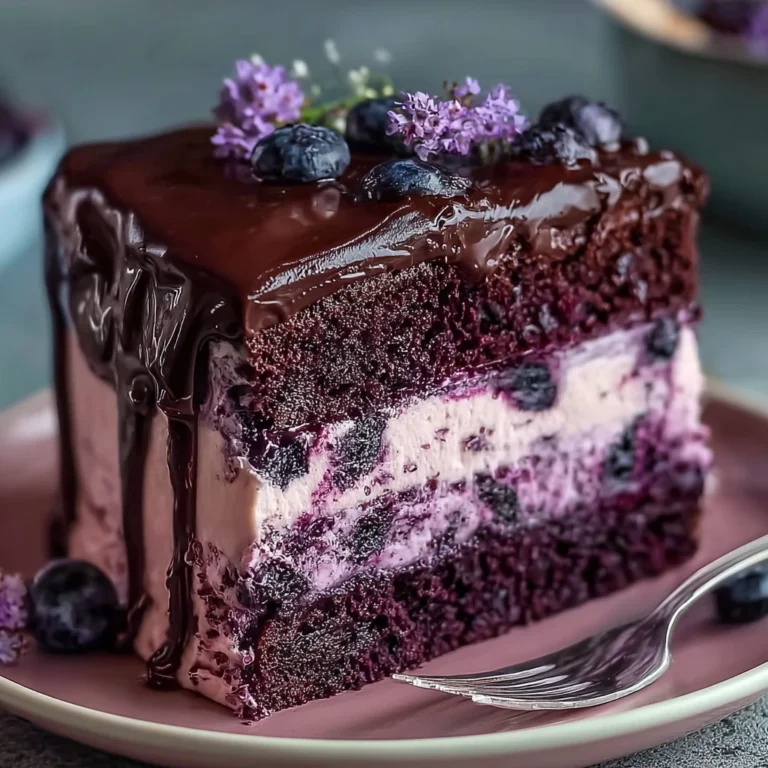
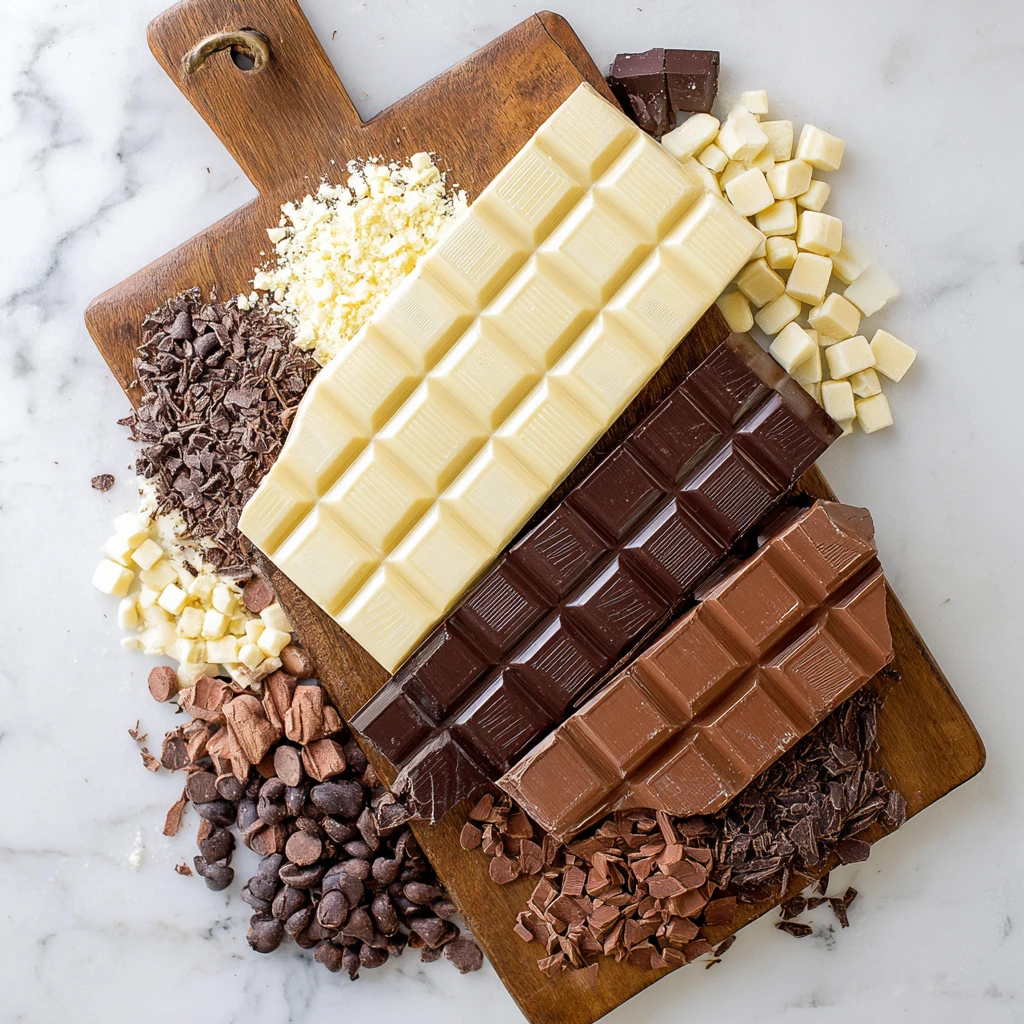
Known for its intense cocoa flavor and lower sugar content, dark chocolate is a favorite among avid bakers and chocolate enthusiasts. With a cocoa content ranging from 70% to 90% or higher, dark chocolate adds a deep, complex flavor profile to desserts. Its slightly bitter undertones pair well with rich ingredients like coffee, nuts, and spices, making it ideal for creating decadent brownies, truffles, and flourless chocolate cakes.
When melting dark chocolate for baking, it’s important to do so gently over a double boiler to prevent scorching. This ensures a smooth and silky texture that will enhance the overall richness of your baked goods.
For a luxurious touch, consider using dark chocolate with flecks of sea salt or infusions of exotic flavors like chili or orange zest. These subtle additions can elevate your desserts and add a unique twist to classic recipes.
Whether you’re a dark chocolate aficionado or looking to experiment with new flavors, incorporating dark chocolate into your baking repertoire can take your desserts to the next level.
Milk Chocolate
If you prefer a milder and sweeter chocolate flavor, milk chocolate is the perfect choice for your baking endeavors. With a lower cocoa content than dark chocolate and the addition of milk solids and sugar, milk chocolate has a creamy and indulgent taste that appeals to a wide audience.
Milk chocolate is commonly used in recipes for chocolate chip cookies, cakes, and muffins, where its smooth texture and sweet flavor can shine. When melting milk chocolate, it’s essential to use low heat and stir constantly to prevent burning, as milk chocolate has a lower tolerance for high temperatures.
For a playful twist on traditional desserts, consider using flavored milk chocolate varieties such as caramel, hazelnut, or cookies and cream. These innovative options can add a pop of flavor and creativity to your baked goods, making them a hit with friends and family.
Whether you’re baking for a special occasion or simply satisfying your sweet tooth, milk chocolate is a versatile and beloved ingredient that can transform your favorite recipes into unforgettable delights.
Types of Chocolate for Baking
Explore the world of baking with chocolate and learn about the differences between dark chocolate and milk chocolate. Discover how each type of chocolate can enhance the flavor and texture of your favorite desserts.
Ingredients
- Dark chocolate (70% cocoa content or higher)
- Milk chocolate
- Sea salt (optional)
- Flavored dark chocolate (e.g., chili or orange zest)
- Flavored milk chocolate (e.g., caramel, hazelnut, cookies and cream)
Directions
-
Choose the type of chocolate based on your desired flavor profile and sweetness level.
-
When melting dark chocolate, use a double boiler to prevent scorching and achieve a smooth texture.
-
Consider adding sea salt or exotic flavors like chili or orange zest to dark chocolate for a luxurious touch.
-
When melting milk chocolate, use low heat and stir constantly to avoid burning.
-
Experiment with flavored milk chocolate varieties such as caramel, hazelnut, or cookies and cream for unique dessert creations.