

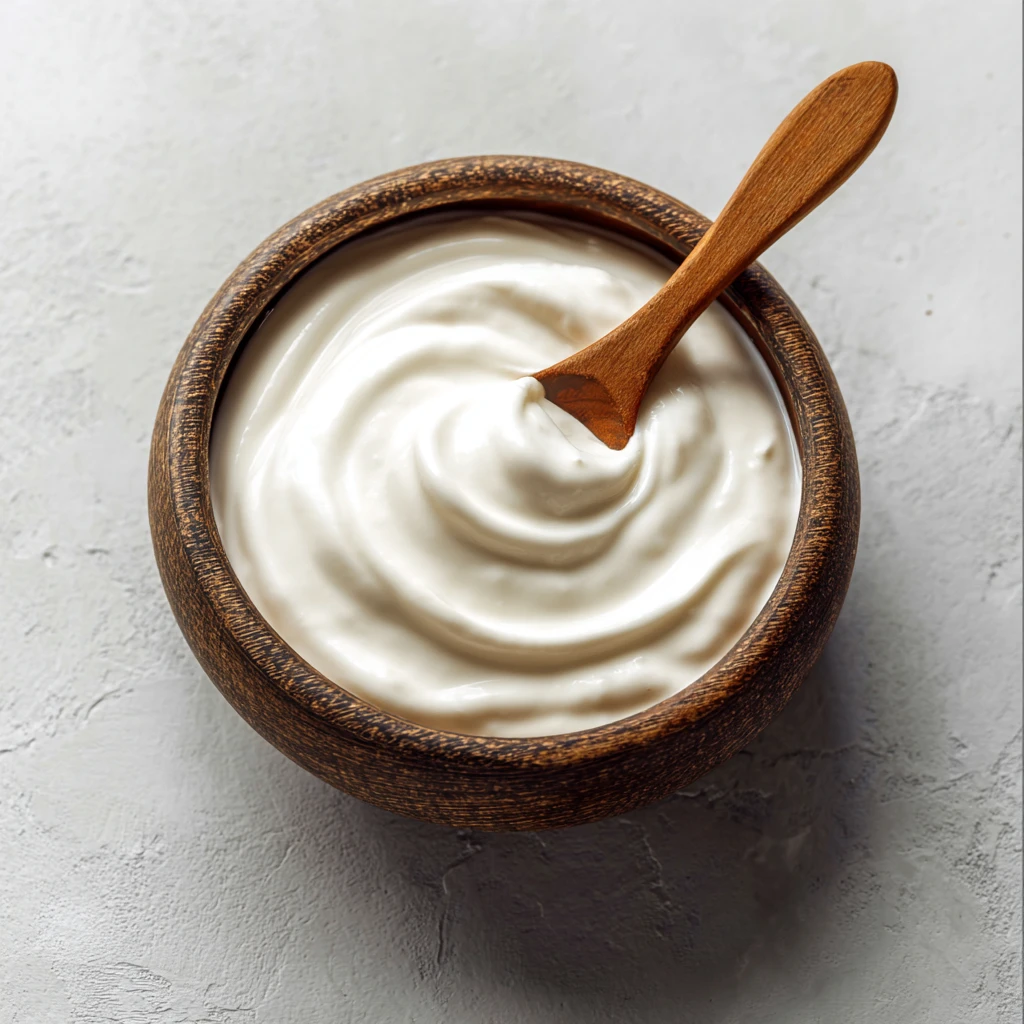
Homemade Yogurt
Introduction
Imagine waking up to the delightful aroma of freshly made yogurt, creamy and tangy, waiting to be devoured. Homemade yogurt is not just a breakfast staple but a versatile ingredient that can elevate your dishes to a whole new level. In this article, we will explore the art of making yogurt at home, a simple yet rewarding process that has been cherished for generations.
Yogurt holds a special place in many cultures worldwide, known for its probiotic properties and creamy texture. The beauty of homemade yogurt lies in its simplicity and the ability to customize it to suit your taste preferences. Whether you enjoy it plain, with a drizzle of honey, or mixed with fruits and nuts, the possibilities are endless.
Join us on this culinary journey as we uncover the magic of homemade yogurt, from its humble beginnings to the various ways you can enjoy this nutritious treat. Get ready to delve into the world of DIY yogurt making and discover why this age-old tradition continues to captivate food enthusiasts around the globe.
So, grab your apron and let’s dive into the wonderful world of homemade yogurt!
Why You’ll Love Homemade Yogurt
Homemade yogurt offers a myriad of benefits that set it apart from store-bought varieties. One of the key advantages is the complete control you have over the ingredients used, ensuring a fresh and wholesome end product. Additionally, making yogurt at home allows you to adjust the fermentation time to achieve the desired level of tanginess, from mild to extra tangy.
Another reason to love homemade yogurt is the cost-effectiveness and sustainability it offers. By making your own yogurt, you can reduce packaging waste and tailor the recipe to your dietary needs, whether you prefer dairy-free alternatives or want to experiment with unique flavor combinations.
Furthermore, homemade yogurt is a versatile ingredient that can be used in a wide range of recipes, from smoothies and dips to marinades and desserts. Its creamy texture and tangy flavor add depth to dishes, making it a pantry essential for home cooks and food enthusiasts alike.
Intrigued by the idea of creating your own batch of creamy goodness? Let’s explore the key ingredients needed to kickstart your homemade yogurt journey.
Ingredients
To make homemade yogurt, you will need the following ingredients:
– Milk (whole milk or skim milk, depending on your preference)
– Yogurt starter culture or plain yogurt with live active cultures
– Optional: Sweetener such as honey or sugar, flavorings like vanilla extract, and fruit for mixing
Feel free to experiment with different types of milk, such as almond milk or coconut milk, for dairy-free alternatives. The yogurt starter culture is essential for introducing active cultures that will ferment the milk and transform it into yogurt. Ready to dive into the step-by-step instructions for crafting your own batch of homemade yogurt?
Step-by-Step Instructions
1. Heating the Milk
Start by heating the milk in a saucepan over medium heat until it reaches around 180°F (82°C). Heating the milk helps to kill any unwanted bacteria and denature the proteins for a smoother texture.
2. Cooling the Milk
Allow the milk to cool to around 110°F (43°C) before adding the yogurt starter culture. Cooling the milk to the right temperature is crucial to ensure the active cultures can thrive and ferment the milk properly.
3. Adding the Starter Culture
Stir in the yogurt starter culture or a few tablespoons of plain yogurt with live active cultures. Make sure the starter is well incorporated into the milk to evenly distribute the active cultures.
4. Fermentation Process
Transfer the milk mixture to a clean container and cover it with a lid. Keep the container in a warm place, ideally around 110°F (43°C), for 4-6 hours to allow the yogurt to set and develop its characteristic tangy flavor.
5. Refrigeration
Once the yogurt has set to your desired consistency, refrigerate it for a few hours to chill before serving. You can enjoy the yogurt as is or add sweeteners and flavorings for a personalized touch.
By following these simple steps, you can create a batch of creamy homemade yogurt that rivals any store-bought version. Now, let’s explore some expert tips to ensure your yogurt-making success.
Expert Tips for Success
– Use a clean container and utensils to prevent unwanted bacteria from contaminating the yogurt.
– Maintain a consistent temperature throughout the fermentation process by using a yogurt maker or wrapping the container in a towel to retain heat.
– For a thicker yogurt consistency, strain the yogurt using a cheesecloth or coffee filter to remove excess whey.
– Experiment with different types of milk and starter cultures to discover unique flavor profiles that suit your palate.
Now that you’ve mastered the art of making homemade yogurt, let’s explore some creative variations and substitutions to customize your yogurt-making experience.
Variations and Substitutions
1. Dairy-Free Alternatives
Explore dairy-free options by using coconut milk, almond milk, or soy milk as a base for your yogurt. These alternatives offer a creamy texture and a unique flavor profile for those with dietary restrictions.
2. Flavor Infusions
Add a twist to your yogurt by infusing it with flavors like matcha powder, chai spices, or citrus zest. Experiment with different combinations to create a personalized yogurt blend that suits your taste preferences.
3. Sweet and Savory Mix-Ins
Elevate your yogurt game by mixing in sweet additions like granola, honey, or fresh fruit, or go savory with herbs, spices, and roasted nuts. The versatility of yogurt makes it a perfect canvas for culinary creativity.
4. Probiotic Boosters
Enhance the probiotic content of your yogurt by adding probiotic supplements or kefir grains during the fermentation process. These additions can boost the gut-friendly bacteria in your homemade yogurt.
Ready to savor your homemade yogurt creation? Let’s explore some serving suggestions to make the most of this nutritious and delicious treat.
Serving Suggestions
Homemade yogurt can be enjoyed in a variety of ways, whether as a standalone snack or as a versatile ingredient in recipes. Here are some serving suggestions to enhance your yogurt experience:
– Serve a bowl of plain yogurt with a drizzle of honey and a sprinkle of nuts for a simple and satisfying breakfast.
– Use yogurt as a base for smoothie bowls, topped with fresh fruits, seeds, and granola for a nutritious and energizing meal.
– Incorporate yogurt into marinades for meats or vegetables to tenderize and add a tangy flavor to your dishes.
– Pair yogurt with spicy curries or rich stews to balance out the flavors and provide a cooling contrast to the heat.
By incorporating homemade yogurt into your culinary repertoire, you can elevate your dishes and enjoy the health benefits of this probiotic-rich delight. Have some burning questions about making yogurt at home? Let’s address some common FAQs to guide you through the process.
FAQs
1. Can I use store-bought yogurt as a starter?
Yes, you can use plain yogurt with live active cultures from the store as a starter for your homemade yogurt. Just ensure that the yogurt is fresh and unflavored for the best results.
2. How long can I store homemade yogurt?
Homemade yogurt can be stored in the refrigerator for up to two weeks. Make sure to use a clean spoon each time you scoop out the yogurt to prevent contamination.
3. Why did my yogurt turn out runny?
If your yogurt has a runny consistency, it may be due to overstraining or insufficient fermentation time. Adjust the straining duration or fermentation temperature for a thicker yogurt texture.
4. Can I flavor the yogurt before fermentation?
Absolutely! Feel free to add sweeteners, flavorings, or mix-ins to the milk before the fermentation process to infuse the yogurt with your preferred flavors.
Now that we’ve covered the essentials of homemade yogurt making, it’s time to wrap up with some final thoughts and encourage you to embark on your yogurt-making journey.
Final Thoughts
Congratulations on unlocking the secrets of homemade yogurt! By mastering this simple yet rewarding process, you have the power to create creamy, tangy yogurt that suits your taste preferences and dietary needs. Whether you enjoy it plain, mixed with fruits, or incorporated into your favorite recipes, homemade yogurt is a versatile ingredient that adds a touch of freshness to every bite.
So, gather your ingredients, set aside some time for fermentation, and embark on a culinary adventure that will enrich your meals and delight your taste buds. Don’t be afraid to experiment, customize, and savor the fruits of your labor as you enjoy the creamy goodness of homemade yogurt. Here’s to happy yogurt-making and many delicious creations to come!
Homemade Yogurt
Learn how to make creamy and tangy homemade yogurt from scratch. This simple and rewarding process offers complete control over ingredients and allows for customization to suit your taste preferences.
Ingredients
- Milk (whole milk or skim milk)
- Yogurt starter culture or plain yogurt with live active cultures
- Optional: Sweetener (honey or sugar), flavorings (vanilla extract), fruit for mixing
Directions
-
Heat the milk in a saucepan over medium heat to 180°F (82°C) to kill unwanted bacteria and denature proteins.
-
Cool the milk to 110°F (43°C) before adding the yogurt starter culture.
-
Stir in the yogurt starter culture or plain yogurt with active cultures.
-
Transfer the milk mixture to a container, cover, and keep in a warm place at 110°F (43°C) for 4-6 hours for fermentation.
-
Refrigerate the yogurt after it has set to desired consistency for a few hours before serving.